Solar Inverter Duty Transformers: The Technology Behind Stable Solar Power Delivery
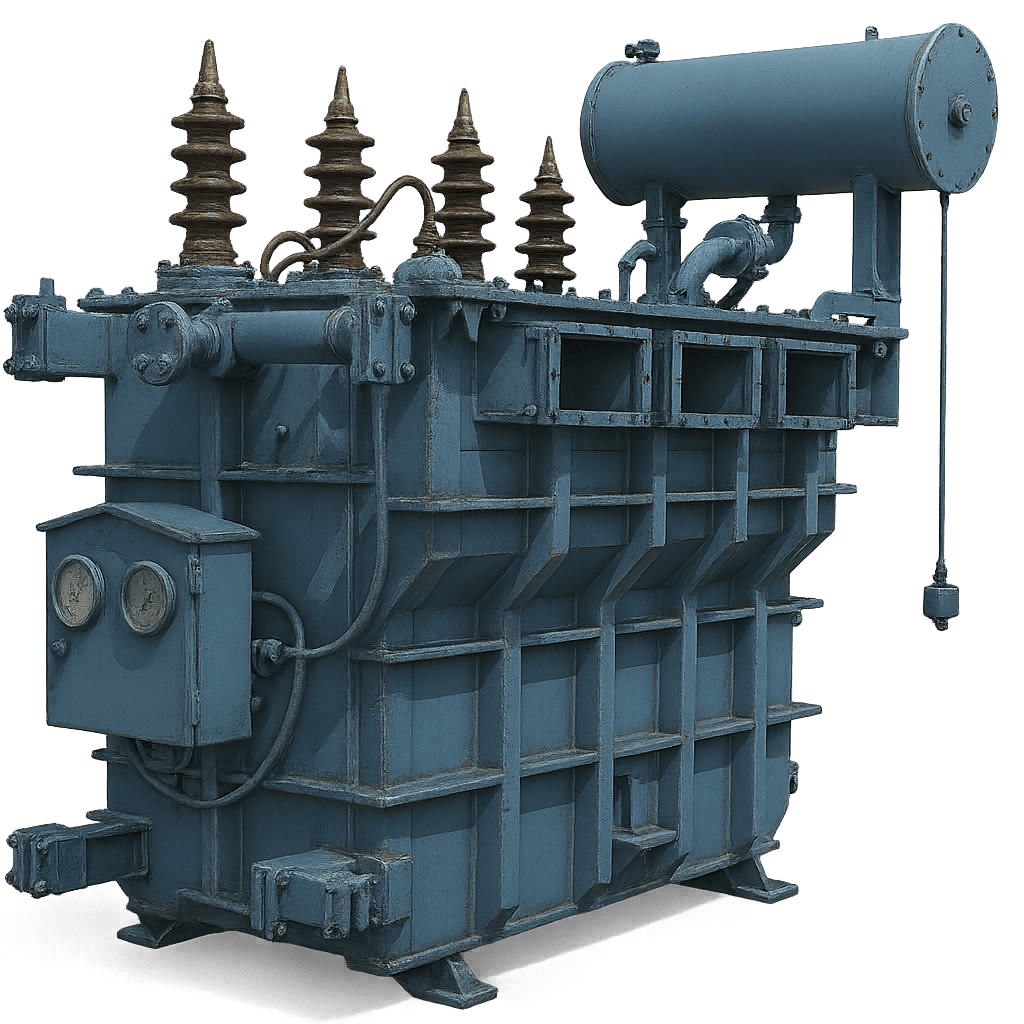
Solar Power Is Rising — But Transformers Make It Work
Clean energy is booming — yet solar power cannot reach the grid without a reliable transformation system. Solar Inverter Duty Transformers are specially engineered to manage inverter harmonics, thermal cycling, and fluctuating loads found in renewable energy plants.
Key Importance
- ✔ Solar power output fluctuates due to weather conditions
- ✔ Inverters generate high harmonic distortion
- ✔ Intermittent load profiles stress standard transformers
Technical Benefits
| Feature | Benefit |
|---|---|
| Harmonic tolerance | Prevents overheating caused by inverter harmonics |
| Customized insulation system | Handles repeated thermal cycling |
| Low losses | Improves overall plant efficiency |
| High overload handling | Manages sudden generation peaks safely |
| Outdoor-ready design | Survives harsh climatic conditions |
Industries & Applications
Efficiency Insights
By minimizing harmonic losses and managing fluctuating loads, inverter duty transformers deliver stable grid output, improve plant efficiency, reduce maintenance costs, and maximize energy conversion into revenue.
Frequently Asked Questions
Are inverter duty transformers mandatory in solar plants?
Yes. In solar plants above 500 kW, inverter duty transformers are essential to protect equipment and comply with grid standards.
Do inverter duty transformers improve ROI?
Yes. Reduced electrical losses result in higher usable energy output and better return on investment.
Can inverter duty transformers be paired with BESS?
Yes. They fully support combined solar and battery energy storage systems.
Conclusion
Solar power is free — but stable solar electricity depends on engineered transformer systems. As renewable energy expands, inverter duty transformers will continue evolving with storage, EV charging, and smart grid technologies.